The Hidden Price of Playing It Safe: What 'Boring' Fashion Is Actually Costing You
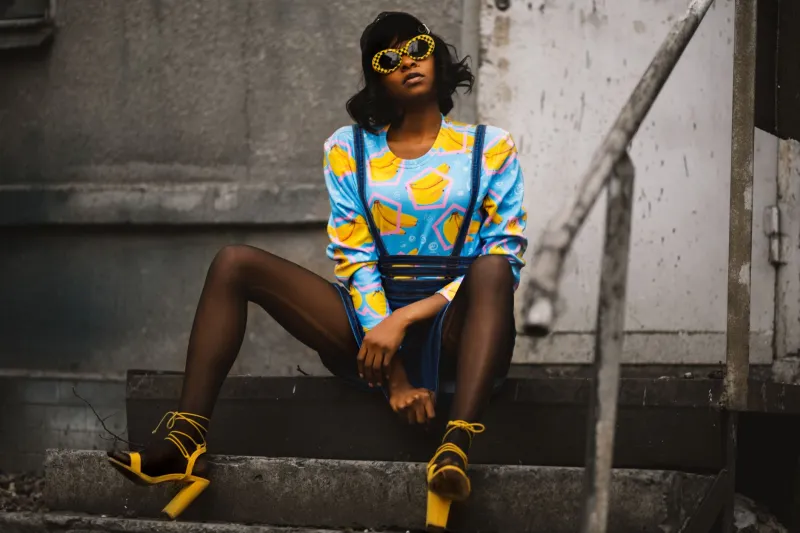
There's a story a lot of us tell ourselves when we're standing in a dressing room, holding something we genuinely love. It's too much. Too loud. Too risky. So we put it back. We grab the gray pullover instead—the one that's fine, totally wearable, won't offend anyone—and we call it practical.
But here's the thing: that decision isn't actually saving you money. It's costing you more than you realize.
The Repeat Purchase Trap
Let's talk numbers for a second, because this is where the myth of 'safe = smart' completely falls apart.
When you buy something you're lukewarm about, you wear it a few times. It does the job. But it never quite satisfies the original impulse that sent you shopping in the first place. So a few weeks later, you're back—browsing again, looking for that feeling you couldn't quite land. You buy another safe option. And another. Each one is individually affordable, but collectively? They add up fast.
Fashion researchers and personal stylists have pointed to this pattern for years: people who dress inauthentically tend to own more clothes and wear fewer of them. The closet fills up with near-misses. You end up with twelve tops that all technically work and none that you're actually excited to put on.
Compare that to the person who buys the printed blazer they've been eyeing for a month. They wear it constantly. They build outfits around it. They get compliments, feel good, reach for it again. One intentional purchase does the work of five compromise ones.
The Emotional Overhead Nobody Talks About
Beyond the dollars, there's another kind of cost that rarely makes it into the conversation: the psychological toll of dressing like someone you're not.
It sounds dramatic, but think about how you feel on days when your outfit is just... off. Not uncomfortable, not inappropriate—just not you. There's a low-grade friction to it. You're slightly less present in meetings. A little more self-conscious at the party. You catch your reflection and feel neutral at best.
Now flip it. Think about a day when you walked out the door in something you genuinely loved—something that felt like a real expression of who you are. The difference isn't subtle. Confidence is not a personality trait that some people are born with. A significant part of it is situational, and what you're wearing is one of the biggest situational levers you have.
Dressing inauthentically is a slow leak on your energy. You're spending mental real estate every morning trying to make peace with a wardrobe full of things you settled for. That's overhead. And it compounds.
Why We Keep Choosing 'Safe'
So if playing it safe is costing us this much, why do we keep doing it?
A few reasons, honestly.
First, there's the fear of judgment. American culture has a complicated relationship with standing out. We celebrate individual expression in the abstract, but in practice, being visibly different—especially in workplaces, family settings, or certain social circles—can feel risky. The safe outfit is armor. It doesn't attract attention, which means it doesn't attract criticism.
Second, there's the price tag illusion. A $30 basic feels like a responsible choice. A $90 statement piece feels like a splurge. But if you wear the $90 piece 40 times and donate the $30 one after three wears, the math is obvious. Cost-per-wear is a more honest metric than sticker price, and bold, intentional pieces almost always win that calculation.
Third—and this one's sneaky—there's the 'someday' mentality. We tell ourselves we'll wear the interesting stuff when we're in better shape, when we have somewhere fancy to go, when we feel more confident. But confidence doesn't arrive before the outfit. It arrives with it. Waiting for the right moment to dress boldly is like waiting to feel rested before you start sleeping.
What Intentional Dressing Actually Looks Like
This isn't a call to blow your entire budget on runway pieces or reinvent your wardrobe overnight. Intentional dressing is more practical than that.
It starts with honesty. Before you buy anything, ask yourself: do I love this, or does it just seem reasonable? Would I reach for this in a week, or am I buying it because it's on sale and it fits? Those are different things, and most of us know the difference the second we ask.
It also means giving yourself permission to have a point of view. Your style doesn't have to be explainable or palatable to everyone. It just has to be yours. Maybe that's maximalist layering and vintage jewelry. Maybe it's sharp tailoring in unexpected colors. Maybe it's streetwear with one elevated piece that changes the whole register. Whatever it is, owning it fully is what makes it work.
And it means buying less, but buying with more conviction. A wardrobe of 20 pieces you genuinely love will serve you better—financially, emotionally, practically—than 60 pieces you feel indifferent about.
The Real Cost Calculation
Here's the reframe worth sitting with: bold style isn't expensive. Indecision is expensive. Compromise is expensive. The slow accumulation of things that almost work is one of the most costly habits a person can have.
When you buy something that genuinely reflects your taste, you stop shopping to fill the gap. You stop second-guessing your closet every morning. You stop paying the quiet, ongoing tax of feeling like you're performing a version of yourself that doesn't quite fit.
That's not a small thing. That's a significant return on a very specific kind of investment.
At Zaraco, we think about style as something worth being deliberate about—not because fashion is the most important thing in the world, but because how you present yourself has real stakes. It affects how you move through your day, how you feel in your own skin, and yes, how you manage your money over time.
The bold choice isn't always the risky one. Sometimes it's the most practical thing you can do.