Designed for Everyone: How Adaptive Fashion Is Making Clothes Actually Work
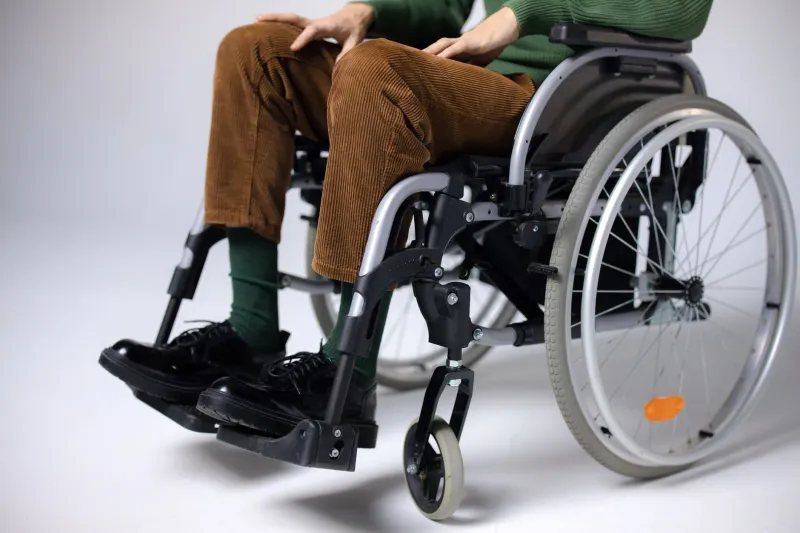
There's a version of the fashion industry that talks a lot about inclusivity and delivers very little of it. Token sizing expansions, the occasional campaign with a wheelchair user, a brand statement that lives on the About page and nowhere else.
And then there's what's actually happening in adaptive fashion right now — which is quieter, more radical, and honestly more exciting than anything happening on a runway.
Adaptive design started as a response to a real gap: clothing that simply didn't work for people with disabilities, chronic illness, limited mobility, or sensory sensitivities. But the solutions designers built to close that gap? They're turning out to be better for everyone. That's not a feel-good coincidence. It's good design doing what good design always does.
What Adaptive Fashion Actually Covers
Let's get specific, because "adaptive fashion" is one of those terms that can mean a lot of things depending on who's using it.
At its core, adaptive design addresses the functional barriers that standard clothing creates for people with physical disabilities, neurodivergence, chronic pain conditions, post-surgical needs, or sensory processing differences. That includes things like:
Adaptive closures — magnetic buttons that look identical to regular buttons but snap shut with one hand. Side-zip pants that open fully so someone can dress while seated. Velcro hidden behind traditional-looking plackets. These details exist because standard buttons and back zippers assume a range of motion that not everyone has.
Sensory-friendly fabrics — tagless construction, flat seams, soft natural fibers, and materials that don't create the kind of tactile friction that can be genuinely distressing for people with sensory processing disorders or skin conditions. Spoiler: these fabrics feel better on everyone.
Modified cuts and silhouettes — higher back rises that work for seated posture, open-back hospital-style designs reimagined as actual fashion, longer hemlines in the back to account for wheelchair positioning, and waistbands that don't dig.
One-handed dressing features — loops, D-rings, and pull-on constructions that make getting dressed possible without assistance.
None of these features compromise the look of a garment. In many cases, they improve it.
The Brands Actually Doing This Work
A handful of brands deserve real credit for moving this from concept to product.
Tommy Hilfiger Adaptive was one of the first major labels to take this seriously at scale, launching a full adaptive line with magnetic closures and modified silhouettes that look exactly like their mainline product. It was a signal to the industry that this wasn't niche — it was just good design.
Zappos Adaptive built an entire curated storefront around accessible footwear and clothing, pulling together brands doing the work and making them findable in one place.
ASOS has expanded sensory-friendly and adaptive options within their existing catalog, tagging items with features like tagless labels and easy closures — a low-friction way to help shoppers filter by what actually works for their bodies.
Smaller independent labels are often where the most interesting work is happening. Brands like Patti + Ricky and IZ Adaptive were built from the ground up by and for the adaptive community, and their design thinking is sharper for it.
Why This Matters Beyond the Disability Community
Here's the thing that the fashion industry is slowly waking up to: the features developed for adaptive design have a much wider audience than originally assumed.
Magnetic closures? Great for anyone with arthritis — and also great for anyone running late in the morning. Sensory-friendly fabrics? Essential for people with SPD — and also preferred by basically everyone who's ever taken off an itchy sweater the second they got home. High-back rises and modified seated silhouettes? Designed for wheelchair users — and also quietly beloved by anyone who sits at a desk for eight hours and is tired of their waistband cutting in.
This is the principle behind what designers call "universal design" — the idea that when you solve for the most constrained use case, you often create a solution that works better across the board. Curb cuts on sidewalks were designed for wheelchair users and ended up being used by cyclists, parents with strollers, delivery workers, and skateboarders. The same logic applies to clothes.
The adaptive fashion movement is essentially arguing that the current standard of clothing design has a lot of unnecessary friction built into it — and that removing that friction makes garments more wearable, more comfortable, and more valuable for everyone.
What to Look For When You Shop
You don't have to specifically seek out "adaptive" labels to start benefiting from this design philosophy. Here's what to look for:
- Tagless construction — either printed tags or no tags at all. Non-negotiable for comfort, honestly.
- Flat-felled seams — seams that lie flat rather than creating ridges. Common in quality athletic wear, increasingly showing up in lifestyle fashion.
- Thoughtful closure placement — front closures, side zips, and snap alternatives to buttons are all worth paying attention to.
- Stretch waistbands with real structure — not just elastic, but waistbands designed to move with the body without losing their shape.
- Fabric composition — natural fibers and quality blends that breathe and don't create static or friction.
When brands put thought into these details, the clothes work better. Full stop. And when clothes work better, you wear them more — which means they're worth more, even if the price tag is higher.
The Bigger Picture
Adaptive fashion is forcing a conversation the industry needed to have: who are clothes actually designed for, and why have we accepted so many compromises as normal?
The answer, increasingly, is that we don't have to. The design tools exist. The brands doing this work are proving it's commercially viable. And the people who've been locked out of fashion that actually functions for their bodies are finally getting options that don't require them to compromise between looking good and getting dressed without pain.
That's not a niche story. That's the future of how clothes get made — and it's one worth paying attention to.